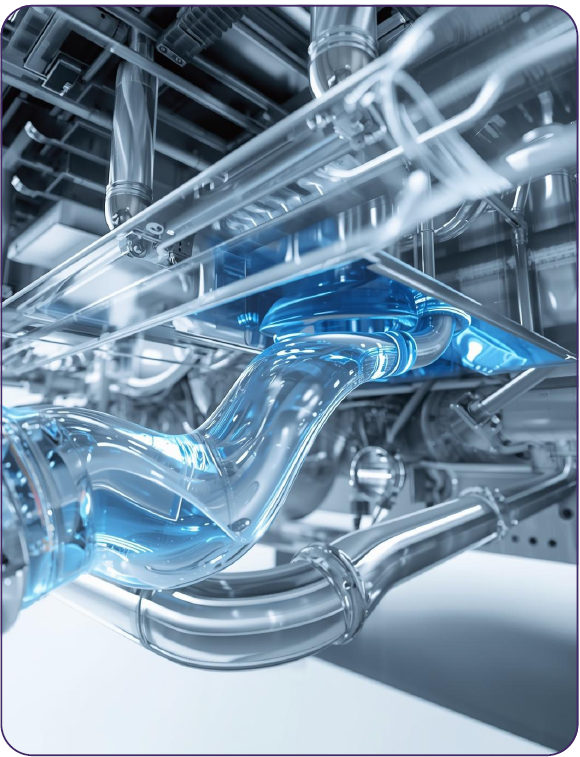
What is AdBlue used for in diesel vehicles? AdBlue is a solution used in modern diesel engines to reduce harmful emissions and ensure compliance with environmental standards. It plays a critical role in keeping vehicles environmentally compliant while maintaining engine performance.
AdBlue is a non-toxic, colourless liquid made from urea and deionised water. It is used in diesel vehicles equipped with Selective Catalytic Reduction (SCR) systems. Despite its name, AdBlue is not a fuel additive — it is stored in a separate tank and injected into the exhaust system.
AdBlue is used to reduce harmful nitrogen oxide (NOx) emissions produced by diesel engines. When injected into the exhaust system, it converts these emissions into harmless nitrogen and water vapour.
This process helps vehicles meet strict emissions regulations and reduces their environmental impact.
AdBlue is injected into the exhaust gases of a diesel engine. Inside the SCR system, it reacts with nitrogen oxides and breaks them down into harmless components.
This process:
AdBlue plays a critical role in modern diesel vehicles by ensuring compliance with emissions regulations. Without it, vehicles equipped with SCR systems cannot effectively reduce harmful nitrogen oxide emissions.
For businesses operating trucks and fleets, using AdBlue is essential to:
Many modern diesel vehicles will reduce power or prevent the engine from starting if AdBlue levels are too low, making it a critical component of daily operations.
For commercial vehicles, AdBlue is essential. Without it:
For fleet operators, maintaining proper AdBlue levels ensures:
AdBlue consumption depends on the vehicle and driving conditions. On average:
Monitoring levels regularly is important to avoid disruptions.
For businesses and fleet operators, having a reliable supply of high-quality AdBlue is essential to ensure compliance and uninterrupted operations.
👉 If you’re looking for a trusted supplier, view our AdBlue supply solutions here.
AdBlue should be stored in a cool, dry place away from direct sunlight to maintain its quality. It is important to use clean containers and avoid contamination, as impurities can affect the performance of the SCR system.
For businesses and fleet operators, proper storage and handling ensure consistent performance and compliance with emissions standards.
Is AdBlue harmful?
No, AdBlue is non-toxic and safe to handle when used correctly.
Does AdBlue affect fuel consumption?
AdBlue does not directly affect fuel consumption but helps engines run more efficiently under emissions regulations.
What happens if AdBlue runs out?
Most vehicles will limit performance or prevent the engine from starting to ensure emissions compliance.